



BRISTOL VIDEO CO.
Understanding the Brief: Purpose Drives Everything
Good sports video production starts long before the shoot. The strongest pieces are built around a clear intent—whether that’s repositioning a club’s identity, launching a new campaign, or creating sponsor-ready content.
That clarity informs every decision that follows: lens choice, camera movement, lighting design, even how sequences are structured in the edit. Without it, you end up with well-shot footage that lacks direction.
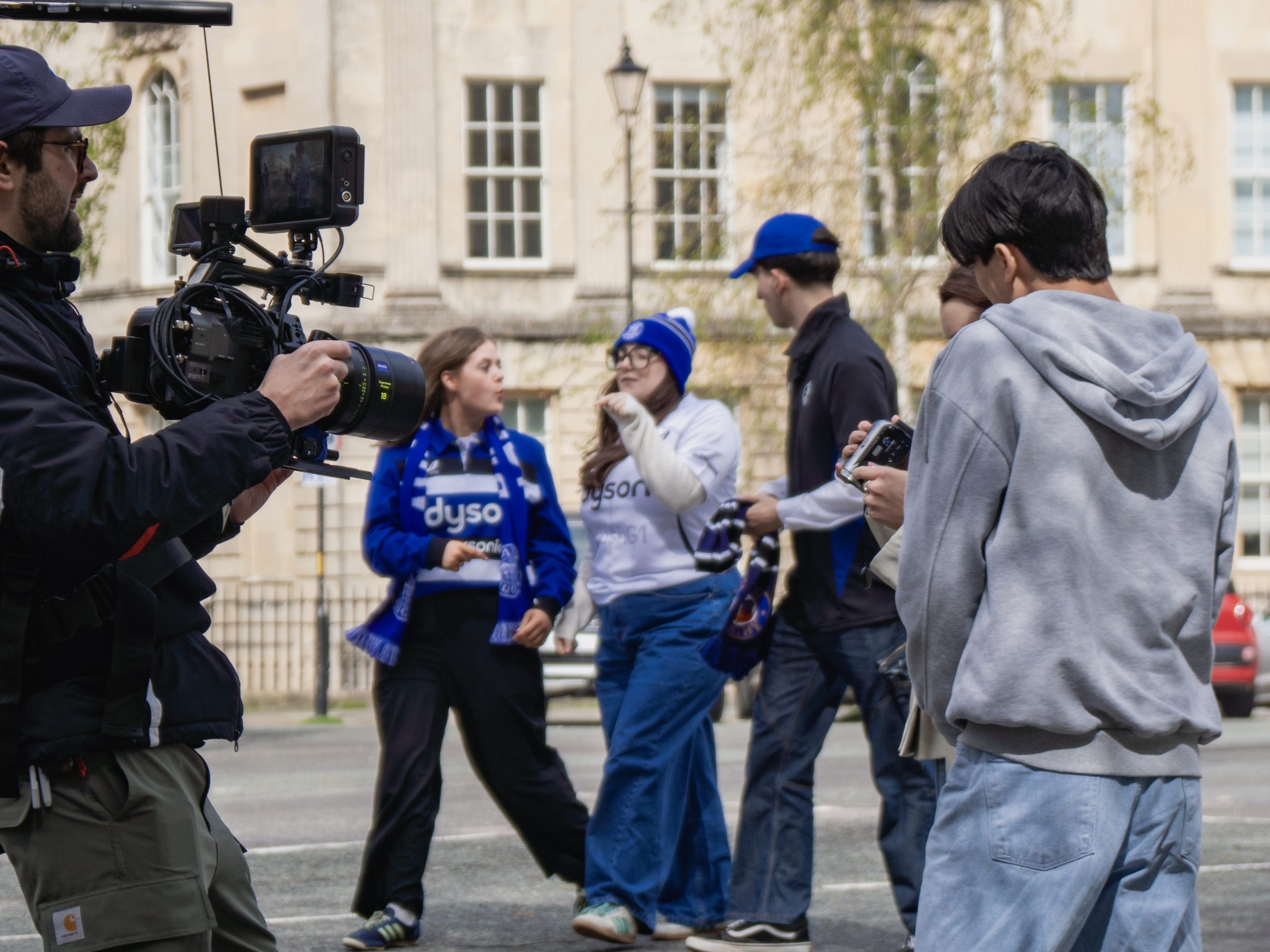
When we worked with Bath Rugby on their “You Like Rugby?” campaign, the brief wasn’t simply to capture the sport—it was to reinforce identity. The tone needed to feel confident, physical, and rooted in tradition, while still cinematic enough to stand out across digital platforms.
Building a Visual Language
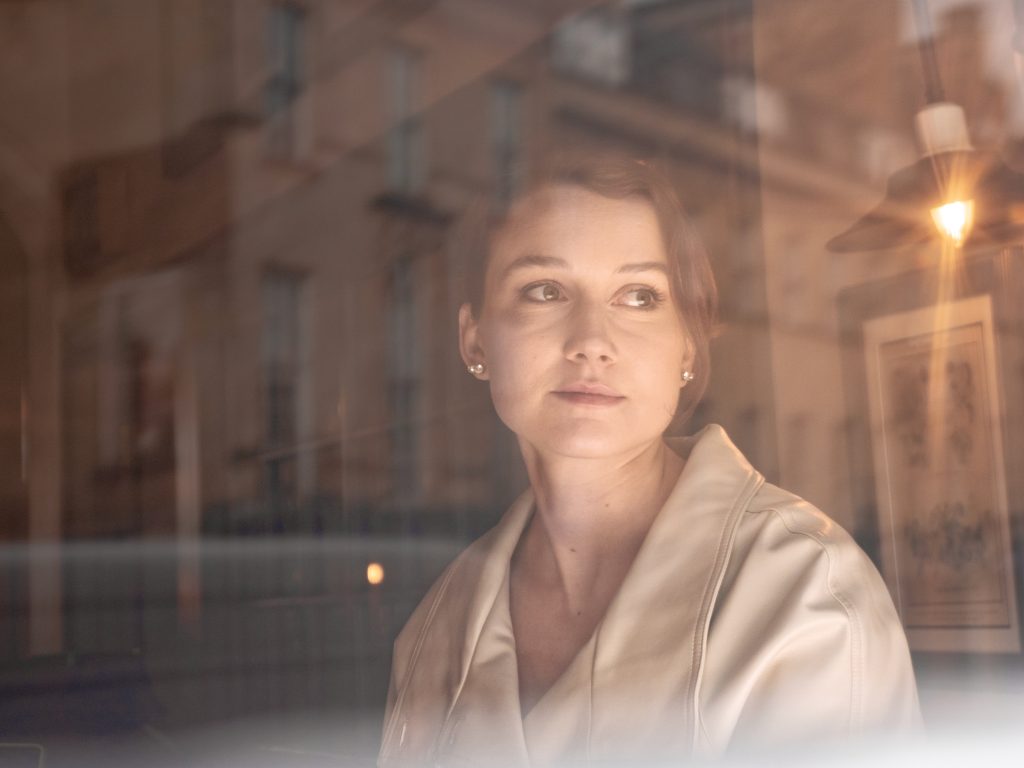
Before stepping onto location, it’s worth defining a visual framework. This is where references, shot lists, and camera tests come into play.
For a campaign-led piece, consider:
- Lens selection: Longer lenses (85mm–135mm) compress action and isolate subjects, ideal for emotional beats. Wider lenses (16mm–35mm) place the viewer inside the environment.
- Camera movement: Locked-off shots convey authority; handheld or gimbal movement introduces immediacy and tension.
- Frame rate strategy: Don’t default to slow motion—decide where it adds emphasis and where real-time action carries more weight.
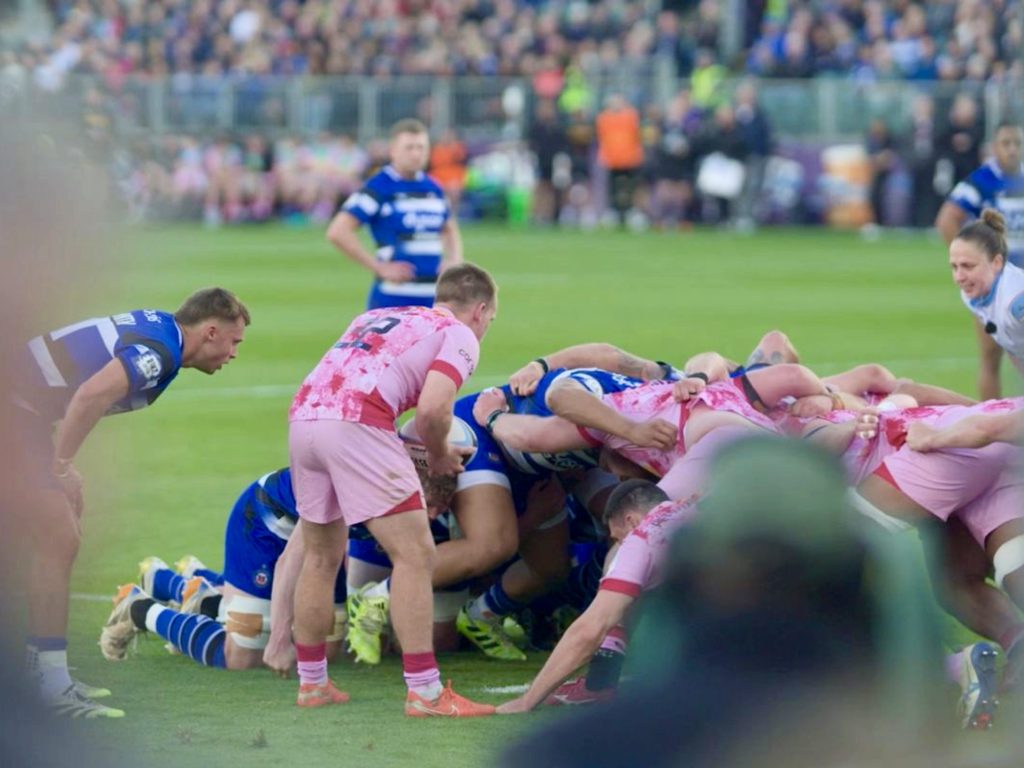
On the Bath Rugby shoot, we deliberately contrasted controlled, composed set-ups with reactive pitch-side coverage. That contrast helped the final film shift between cinematic storytelling and raw match energy without feeling disjointed.
Shooting on Location: Managing Unpredictability
Live sport doesn’t wait for you. That means your technical setup has to be robust and flexible.
Multi-Camera Coverage
Relying on a single camera limits your options in the edit. A typical setup might include:
- A long-lens camera for isolating players and key moments
- A wide camera for context and crowd
- A roaming operator for cutaways and reactions
This gives you editorial flexibility—especially important when you’re building narrative rather than documenting a single match.
Shutter Speed and Motion Rendering
Fast-paced sports like rugby demand careful shutter control. Shooting at a shutter angle equivalent of 180° (e.g. 1/100 at 50fps) maintains natural motion blur. Pushing shutter speed higher can create a sharper, more aggressive look—but overuse can feel staccato and unnatural.
We used this selectively during contact moments to subtly heighten impact.
Lighting: Creating Separation and Tone
Even in outdoor environments, lighting plays a critical role – particularly for staged elements.
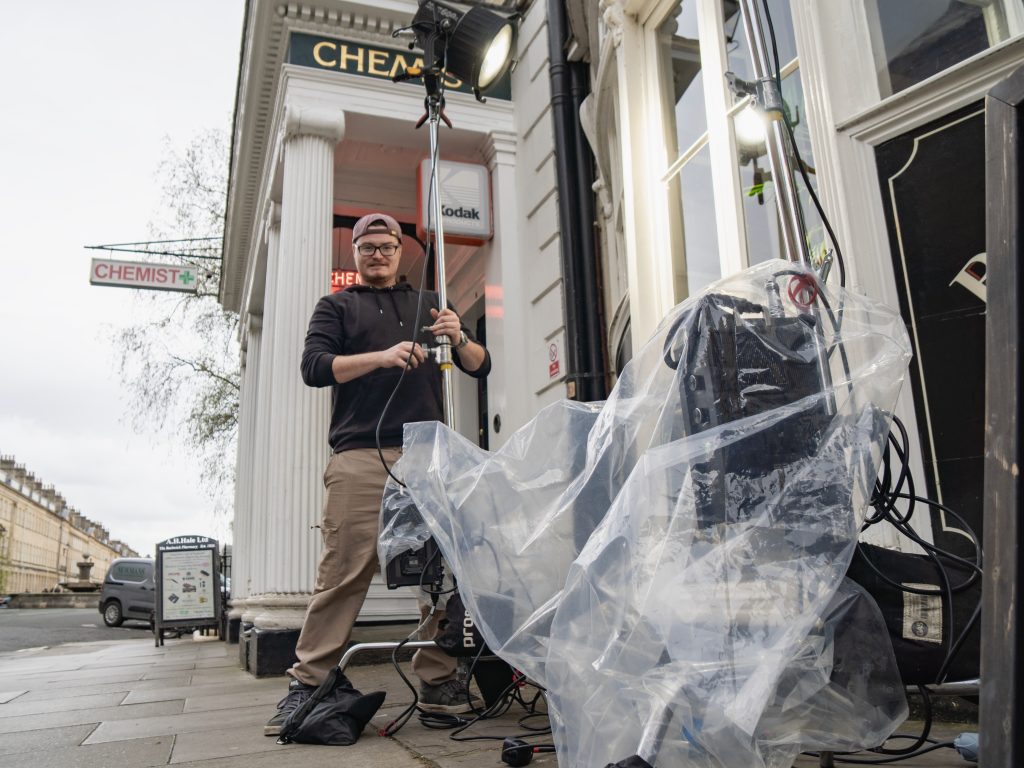
For “You Like Rugby?”, we introduced artificial lighting for key set pieces to:
- Separate subjects from the background
- Add contrast and shape to athletes
- Maintain consistency across changing natural light conditions
A common approach is to use high-output LED panels or HMIs to simulate directional sunlight, then control spill with flags and negative fill. This gives you a more sculpted, cinematic image that cuts cleanly with natural light footage.
Capturing the Environment
One of the biggest missed opportunities in sports video production is ignoring the wider environment. The setting often carries as much meaning as the sport itself.
In Bath, the city’s architecture and heritage are inseparable from the identity of the club. Incorporating locations like Roman Baths helped ground the campaign in something recognisable and authentic.
These environmental shots act as visual punctuation—giving the audience space to absorb the atmosphere between moments of intensity.
Audio: Designing for Impact
Audio is where a lot of sports content falls short. Relying purely on on-camera sound flattens the experience.
A more considered approach includes:
- Layered ambience: crowd noise, footsteps, kit movement
- Isolated FX: tackles, ball contact, breath
- Music integration: pacing edits around rhythm rather than forcing tracks to fit
For campaign work, it’s often worth recording dedicated sound effects separately to ensure clarity and control in the mix.
Post-Production: Structuring Energy
Editing sports content isn’t just about selecting the best shots—it’s about controlling energy.
Pacing and Rhythm
Avoid the temptation to cut everything quickly. Variation is what holds attention:
- Longer takes build tension
- Rapid cuts release it
Colour Workflow
Consistency is critical, especially when mixing multiple cameras and lighting conditions. A standard workflow might involve:
- Balancing shots to a neutral baseline
- Applying a creative grade to establish tone
- Fine-tuning skin tones and key colours (e.g. team kits)
For Bath Rugby, the grade leaned into deeper contrast and slightly desaturated tones to reinforce a grounded, physical feel.
Deliverables: Planning for Distribution
A single film rarely does all the work. To maximise reach, content should be designed for multiple outputs from the outset:
- 16:9 master for web and broadcast
- 1:1 or 4:5 for social feeds
- 9:16 for vertical platforms
Framing with these formats in mind during production avoids awkward crops later.
Conclusion
High-level sports video production comes down to control—of image, sound, pacing, and narrative. The technical decisions aren’t separate from the creative; they are the creative.
The Bath Rugby “You Like Rugby?” campaign is a good example of how combining structured set pieces, reactive shooting, and a strong sense of place can elevate a piece beyond standard match coverage.
For local teams, the opportunity is the same: approach content with intent, invest in the right technical processes, and treat every frame as part of a larger story.
External Resources
- https://www.redbull.com/gb-en/film-production-tips
- https://vimeo.com/blog/post/sports-videography-tips
- https://www.premiumbeat.com/blog/sports-video-production-tips/
- https://nofilmschool.com/sports-videography-tips
- https://www.videomaker.com/article/c10/18669-sports-video-production
- https://www.adobe.com/creativecloud/video/discover/sports-videography.html
- https://www.canon.co.uk/pro/stories/sports-filmmaking/
- https://www.bbc.co.uk/academy/en/articles/art20130702112136344
- https://www.theguardian.com/sport/series/sports-marketing
- https://www.sportspromedia.com/insights/analysis/sports-video-content-strategy/
